October 21, 2026
Interior design involves more than selecting furniture, decorating shelves, or finding accessories that match your personal style. The colors on your walls can influence how a room looks, how its features stand out, and how comfortable the space feels. Whether you are updating a single bedroom or refreshing your entire home, choosing the right paint colors is an important part of creating a cohesive interior. Understanding how color, lighting, and finishes work together can help you make decisions that support your design goals.
Many homeowners begin their projects with inspiration from home improvement websites, magazines, or social media. While these resources can provide helpful ideas, translating an attractive image into a functional living space requires careful planning. Local painting companies understand how paint choices interact with a room's existing features, natural light, and intended use. Their perspective can help homeowners avoid common design mistakes and create interiors that feel intentional, comfortable, and visually appealing.
Understanding How Colors Influence a Room
Color is one of the most noticeable elements of interior design. Different shades can change the way a space feels, making it appear brighter, warmer, cooler, or more inviting. For example, soft neutrals can create a relaxed atmosphere, while deeper colors can introduce contrast and visual depth. The best choice depends on your preferences and the purpose of the room.
Before selecting a paint color, consider how you want the space to feel. A bedroom might benefit from calming shades of blue, green, or warm beige, while a living room could incorporate richer earth tones or a balanced combination of neutral colors. Kitchens and dining areas can also benefit from colors that complement cabinetry, countertops, and other permanent features.
It is helpful to think about the room as a complete design rather than treating the walls as a separate element. Flooring, furniture, window treatments, and decorative accents all contribute to the overall appearance. Local painting companies can help homeowners consider how different paint colors will work with these existing elements, making it easier to develop a consistent design throughout the home.
Choosing the Right Paint for Each Space
Not every room has the same requirements, so choosing paint involves more than finding a color you like. The room's function, moisture levels, traffic, and cleaning needs can all influence which paint product and finish will work best.
For example, kitchens, bathrooms, hallways, and children's rooms may need finishes that can withstand frequent cleaning. Living rooms and bedrooms often allow for more flexibility, depending on how much activity they receive and the appearance you want to achieve. Paint manufacturers offer different finishes, including flat, matte, eggshell, satin, and semi-gloss, each with its own visual qualities and practical considerations.
A flat finish can help minimize the appearance of minor surface imperfections, while glossier finishes tend to reflect more light and may make certain marks or uneven areas more noticeable. Satin and eggshell finishes often provide a balance between appearance and everyday maintenance, although the best option depends on the product and the room.
When planning a project, consider how the painted surfaces will be used over time. Local painting companies can explain the differences between available products and help you select options that align with your home's needs. Making these decisions before painting begins can prevent mismatched finishes and unnecessary touch-ups later.
Using Accent Walls to Create Visual Interest
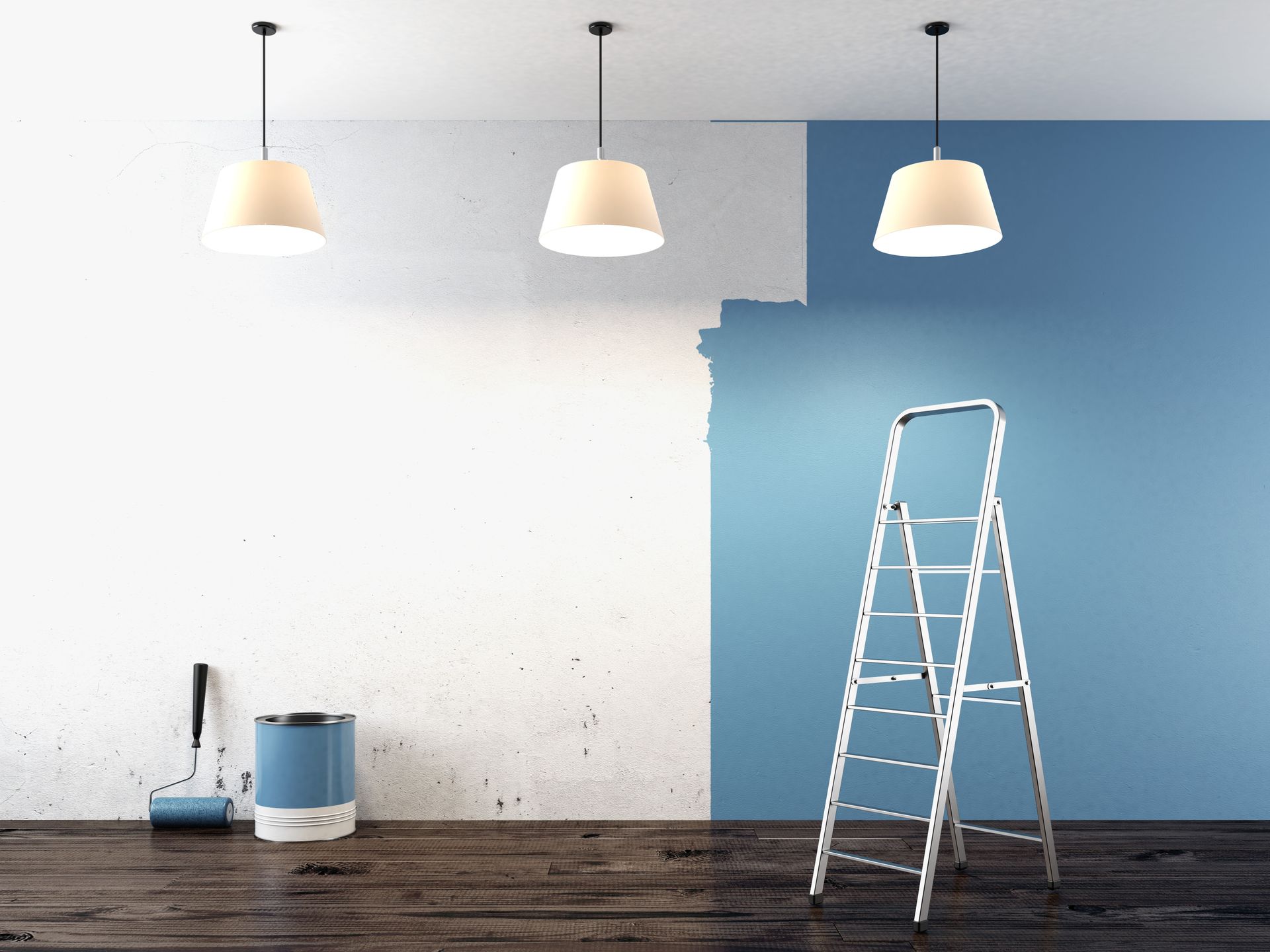
An accent wall is a straightforward way to introduce color without committing to a bold shade throughout an entire room. By painting one wall a different color, homeowners can draw attention to a particular area, highlight an architectural feature, or create a focal point that complements the surrounding decor.
According to Sherwin-Williams, 44% of homeowners believe that painting one accent wall is the best way to make a room stand out. This approach can be especially useful in spaces where a full-room color change might feel overwhelming. A darker wall behind a bed, for example, can help define the sleeping area, while a contrasting wall in a living room can emphasize a fireplace or seating arrangement.
However, an accent wall works best when its placement serves a purpose. Painting a random wall simply because it is easy to reach may not produce the intended result. Instead, look for a surface that naturally draws the eye or helps establish the room's layout.
Color selection matters, too. An accent shade should relate to the room's existing palette, whether through complementary colors, similar undertones, or connections to furnishings and accessories. Local painting companies can help homeowners evaluate which wall to highlight and how to balance a stronger color with the rest of the space.
Considering Lighting Before Selecting Colors
Lighting can significantly affect how paint colors appear on walls. A shade that looks warm and inviting in a showroom may appear cooler or darker at home, depending on the room's windows, light direction, and artificial lighting.
Natural light changes throughout the day. A room that receives direct sunlight in the afternoon may bring out different undertones than a room that primarily receives indirect light. Artificial lighting also plays a role, as different bulbs can make the same paint color appear warmer, cooler, or more muted.
To reduce surprises, test paint samples directly on the walls before making a final decision. Observe each sample at different times of day and under the lighting conditions you typically use. If possible, compare samples on more than one wall, particularly when the room receives uneven light.
It is also important to consider the amount of light a room receives. Lighter paint colors can help a space feel open and airy, while darker shades may create a cozy atmosphere. Neither approach is automatically better. The goal is to select a color that works with the room's lighting and supports the mood you want to create.
By evaluating samples in the actual space, homeowners can make more informed choices. This simple step can also help prevent the disappointment of completing a project only to discover that the finished color looks different from what they expected.
Creating a Consistent Color Palette
A well-designed home does not require every room to have the same wall color. However, using a coordinated palette can help the entire interior feel connected. This is particularly important in homes with open floor plans, where multiple spaces are visible at the same time.
Start by identifying a few colors that work well together. You might choose a primary neutral for shared areas, then introduce complementary shades in bedrooms, bathrooms, or other individual rooms. Repeating certain undertones or accent colors can create continuity without making every space look identical.
For example, warm white walls in a living room might pair well with beige in an adjoining dining area and muted green in a nearby study. These colors provide variety while maintaining a relationship through their softer, natural appearance. Alternatively, a home with cooler finishes might benefit from grays, subdued blues, and crisp whites.
Consider permanent features when developing your palette. Wood flooring, stone countertops, tile, cabinetry, and brickwork can all influence which colors look harmonious. It is often easier to choose paint that complements these existing materials than to change several major elements to accommodate a single wall color.
Planning colors across connected rooms can make future decorating decisions easier as well. Local painting companies can help homeowners evaluate color transitions and identify combinations that work with the home's layout and existing finishes.
Working with
local painting companies can help you evaluate your options and understand how different products and techniques may affect the finished space. By planning your color palette carefully, testing samples in your home's lighting, and accounting for the needs of each room, you can make choices that support your design goals. A thoughtful approach to interior painting can refresh your surroundings and help create a home that feels cohesive, comfortable, and uniquely yours. Contact Project Pros today for more information.